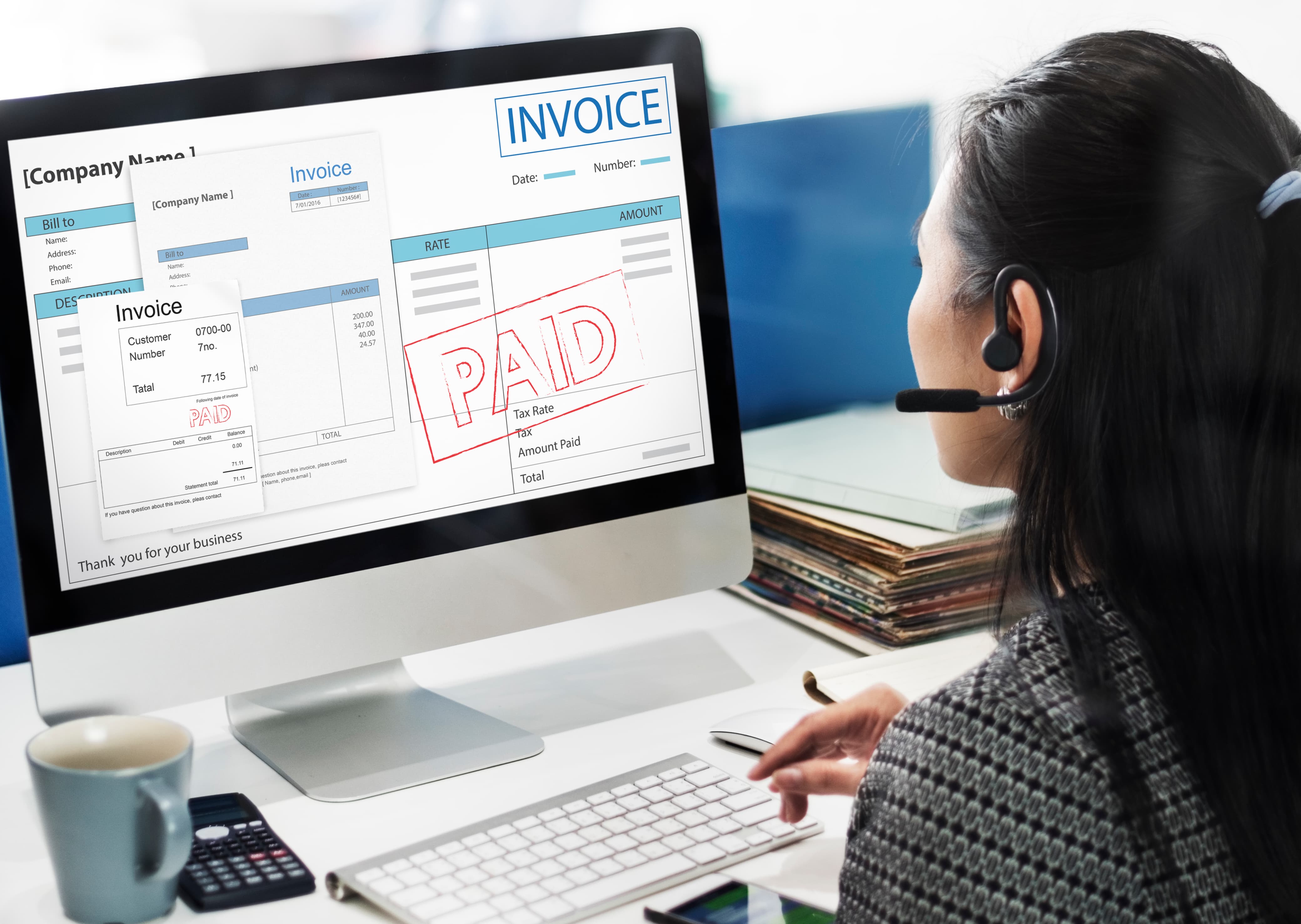
Digital invoicing systems are becoming increasingly important for small businesses and entrepreneurs in 2026 as companies look for smarter ways to manage finances, improve efficiency, and reduce administrative work. Many Small, Medium and Micro Enterprises (SMMEs) are moving away from manual paperwork and adopting digital invoicing tools to improve financial organization and streamline payment processes. For startups and growing businesses, managing invoices manually can lead to delays, errors, and poor financial tracking. Digital invoicing systems help businesses create professional invoices, track payments, manage records, and improve communication with customers. These systems also support faster transactions and improve overall business productivity.
As businesses continue adopting digital transformation strategies, invoicing software is becoming an essential tool for improving operational efficiency and financial management. Businesses that implement digital invoicing systems are more likely to improve cash flow, customer trust, and long-term sustainability.
Importance of Digital Invoicing for Businesses
Digital invoicing systems help businesses improve financial organization and reduce paperwork by automating invoice creation and payment tracking. Instead of using manual processes, businesses can generate invoices electronically, store records securely, and monitor transactions more efficiently.
For small businesses and startups, digital invoicing reduces the risk of human error and improves accuracy in financial management. Automated systems help businesses send invoices quickly, track unpaid invoices, and improve communication with customers regarding payments. Digital invoicing also supports professionalism by allowing businesses to create branded invoices with organized layouts and clear payment details. Professional financial documentation improves customer trust and business credibility.
 Digital invoicing improves financial organization and efficiency
Benefits of Automated Financial Systems
Automated financial systems provide several advantages for entrepreneurs and SMMEs. One of the biggest benefits is improved efficiency. Businesses can automate repetitive tasks such as invoice generation, payment reminders, and financial reporting, allowing employees to focus on other important business activities. Digital invoicing systems also improve cash flow management by helping businesses track payments and monitor outstanding invoices. Faster payment processing helps businesses maintain stable financial operations and avoid unnecessary delays.
In addition, cloud-based invoicing platforms improve accessibility by allowing businesses to manage finances remotely using mobile devices or computers. This flexibility supports modern business operations and remote work environments.
 Automated financial systems improve business productivity
Future of Digital Financial Management
The future of digital financial management includes artificial intelligence, cloud computing, and advanced automation tools that improve financial decision-making and operational efficiency. Businesses are increasingly adopting digital business systems to improve financial management and remain competitive in modern markets. AI-powered invoicing tools can help businesses analyze payment trends, predict cash flow challenges, and automate financial reporting processes. These technologies help organizations improve accuracy and reduce administrative workload. As digital transformation continues across industries, businesses that invest in modern financial management systems are more likely to improve sustainability, efficiency, and long-term growth opportunities.
 Digital financial systems continue evolving with smarter technologies